
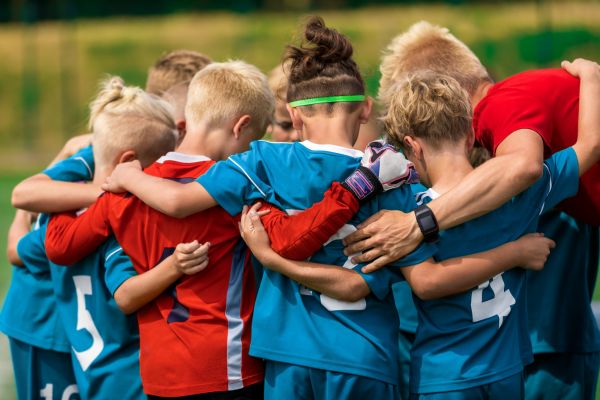
Why youth sports have become a financial challenge
Youth sports can bring out the best in children. They teach teamwork, discipline, confidence, patience, and the kind of resilience that is hard to learn from a textbook. A child who joins a team often gains more than athletic skill. They learn how to lose with grace, celebrate others, listen to coaching, and keep trying when progress feels slow.
But for many families, the cost of youth sports has become a real obstacle. Registration fees, uniforms, equipment, travel, tournament costs, private coaching, facility rentals, and transportation can add up quickly. What begins as a simple after-school activity may turn into a financial commitment that some households cannot comfortably manage.
That is where youth sports funding programs matter. These programs help reduce the cost of participation so children are not left out simply because their families cannot afford every fee. At their best, they keep sports accessible, inclusive, and connected to the original purpose of youth athletics: helping kids grow.
The growing cost of participation
A generation ago, many children played sports through school teams, local parks, or neighborhood leagues with relatively modest costs. Those options still exist in many places, but the youth sports landscape has changed. Competitive clubs, travel teams, specialized training, and year-round programs have become more common.
For some young athletes, these opportunities can be exciting. They may offer better coaching, stronger competition, and more structured development. For parents, though, the financial pressure can be stressful. A child may want to play soccer, basketball, baseball, gymnastics, hockey, swimming, or tennis, but each sport comes with its own expenses.
Some sports require costly equipment. Others involve frequent travel. Even basic participation fees can be difficult for families managing rent, food, school supplies, medical bills, and other everyday needs. The result is uncomfortable but clear: talent and interest do not always guarantee access.
When sports become too expensive, children from lower-income families are often the first to miss out. That loss is not only athletic. It can affect friendships, confidence, health, and a child’s sense of belonging.
What youth sports funding programs actually do
Youth sports funding programs are designed to help families cover some or all of the costs connected to athletic participation. The support may come from local nonprofits, community foundations, schools, recreation departments, national organizations, private donors, or sport-specific associations.
Some programs help pay registration fees. Others provide equipment, uniforms, travel assistance, scholarships, or grants to teams and leagues. In certain communities, funding may also support facility access, coaching education, or after-school sports programs.
The goal is not always to create elite athletes. In fact, many of the most meaningful programs focus on basic participation. They help a child join a team, attend practice, and experience the joy of being included. That may sound simple, but for a family under financial strain, it can make a big difference.
These programs also help local sports organizations. A league with funding support may be able to offer reduced fees, create payment plans, or serve more children without lowering the quality of the experience.
Scholarships that open the door
One of the most common forms of youth sports assistance is the participation scholarship. These scholarships are often offered by clubs, leagues, schools, or community organizations to families who meet certain income or need-based criteria.
A sports scholarship at the youth level does not always mean a large award. Sometimes it may cover half of a registration fee. Sometimes it may pay for a full season. In other cases, it may help with camps, clinics, or tournament costs. Even a small amount can be enough to keep a child involved.
The application process usually asks families to provide basic information about financial need. Some programs keep this process simple and private, which is important. Parents should not feel embarrassed for asking for help. Youth sports are supposed to serve children, and support systems exist because communities understand that not every family has the same resources.
Scholarships work best when they are handled with dignity. No child should feel singled out because their fee was reduced or covered. A well-run program protects privacy and allows the athlete to participate like everyone else.
Equipment assistance for growing athletes
Equipment can be one of the biggest barriers in youth sports. Children grow quickly, and gear that fits one season may be too small the next. Cleats, gloves, pads, helmets, sticks, rackets, skates, bats, bags, and protective gear can become expensive, especially for families with more than one child playing.
Equipment assistance programs help by donating new or gently used items to athletes who need them. Some communities organize gear drives where families can give away sports items their children have outgrown. Others operate equipment libraries, allowing athletes to borrow what they need for a season.
This type of support is practical and often deeply appreciated. A child does not need the newest or most expensive gear to enjoy a sport, but they do need equipment that is safe and appropriate. When programs help meet that need, they remove a major source of stress from families.
There is also something meaningful about recycled equipment staying in the game. A pair of cleats or a baseball glove that no longer fits one child can become the reason another child gets to play.
Community grants and local support
Many youth sports funding programs are rooted in local communities. A city recreation department may offer reduced-cost leagues. A school district may support after-school athletics. A local foundation may provide grants to sports clubs serving low-income neighborhoods. Businesses, civic groups, and individual donors may also contribute to community sports funds.
Local support is powerful because it understands local needs. A rural community may need help with transportation to games. An urban neighborhood may need safe playing spaces. A small town may need funding to keep a youth league running after fees become too high for families.
Community grants can also support broader goals, such as increasing girls’ participation, creating programs for children with disabilities, or helping first-time athletes try a sport without a major financial commitment. When funding is thoughtfully directed, it can shape a healthier and more inclusive sports culture.
Travel and tournament cost support
For competitive athletes, travel can quickly become one of the most expensive parts of youth sports. Tournament fees, hotel stays, meals, fuel, flights, and time away from work can place a heavy burden on families. Even when a child earns a spot on a strong team, the cost of travel may make participation difficult.
Some funding programs offer travel assistance for athletes or teams. This can help cover transportation, lodging, or competition fees. In other cases, teams organize fundraising efforts to reduce costs for everyone rather than placing the full burden on individual families.
Travel support should be handled carefully. Competitive opportunities can be valuable, but they should not create a system where only wealthier families can afford exposure, development, or higher-level play. Funding can help balance that gap and give more athletes a fair chance to continue.
The emotional impact of financial support
The value of sports funding is not only measured in dollars. For a child, receiving help can mean being able to join friends at practice, wear the team uniform, and feel part of something. It can mean having a safe place to go after school. It can mean discovering confidence at a time when confidence is still fragile.
For parents, support can bring relief. Many parents want to give their children every opportunity, but they may feel guilty when money stands in the way. A funding program can ease that pressure and remind families that youth sports are a shared community responsibility, not just a private expense.
There is also a quiet emotional benefit for coaches and teams. When more children can participate, teams become more diverse, more connected, and often more meaningful. Sports are richer when they include athletes from different backgrounds, not only those who can afford the full cost.
How families can look for help
Families searching for youth sports funding programs can start close to home. Local leagues, schools, recreation departments, community centers, and nonprofit organizations often know what support is available. Coaches may also be aware of scholarship options or equipment donation programs.
It is helpful for parents to ask early, before registration deadlines or tournament payments are due. Many programs have limited funds, and applications may be reviewed on a first-come basis. Families should also ask whether payment plans, sibling discounts, volunteer credits, or reduced-fee options are available.
The most important thing is not to assume help does not exist. Many organizations want children to participate and may be willing to work with families privately and respectfully.
Conclusion
Youth sports funding programs play an important role in keeping athletics open to more children. They help cover fees, equipment, travel, and other costs that can otherwise prevent young athletes from joining or staying involved. More than that, they protect the idea that youth sports should be about growth, health, friendship, and opportunity.
When communities invest in access, they send a clear message: every child deserves the chance to play, learn, and belong. The benefits of sports should not depend only on a family’s budget. With thoughtful funding and local support, more young athletes can step onto the field, court, track, or rink with confidence—and that is a win far beyond the scoreboard.