
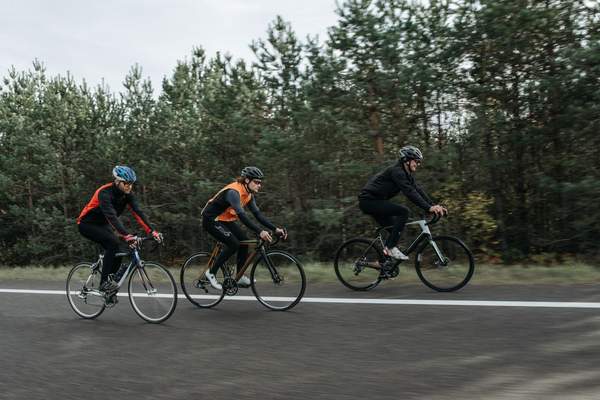
Traffic changes the feel of a road ride. A quiet stretch can become a line of cars at the next intersection, and the safest choice is not always the fastest. Good road cycling safety tips focus on being visible, predictable, and prepared to slow down when the road gets complicated.
For U.S. riders, the foundation is straightforward: travel with traffic, follow signs and signals, and choose a position that tells drivers where you are going. Those habits matter more than squeezing out another mile per hour.
Plan a Route That Gives You Options
Compare routes rather than automatically choosing the shortest. A slightly longer street with lower speeds, fewer turning vehicles, or a protected bike lane may feel safer than a busy arterial road. Check for construction, steep descents, and difficult left turns.
Study the final blocks, too. A pleasant path that ends at a six-lane intersection can create an unexpected challenge. Practice unfamiliar routes at quieter hours, and stop to reassess when needed.
Make Yourself Visible Before Traffic Gets Busy
Bright clothing helps in daylight; reflective details are useful in dim conditions. Use a white front light and red rear light when visibility is poor, and follow your state’s nighttime lighting and reflector rules. Lights help drivers distinguish a bicycle from a cluttered background.
Placement matters just as much. Hugging the gutter or repeatedly weaving behind parked vehicles can make you harder to notice. Hold a consistent, visible line whenever conditions allow.
Choose a Lane Position With Room for Error
Do Not Mistake Riding Right for Riding in the Gutter
Cyclists generally travel toward the right on U.S. roads, but that does not mean riding beside a crumbling pavement edge. Leave space for drainage grates, potholes, and gravel so you can steer smoothly rather than swerve without warning.
When a lane is too narrow for a driver to overtake safely within it, taking a more central position may discourage an unsafe squeeze pass where permitted. State rules have exceptions and differences, so learn the laws for your route.
Stay Outside the Door Zone
Parked vehicles create another hazard: a door may open into your path. Keep enough clearance that an opening door will not force you into moving traffic. Occupied seats and brake lights offer clues, but they are never guarantees.
Picture parked cars lining a narrow city block. Instead of ducking into each empty parking space and returning to traffic, keep a steady line outside the door zone. Reassess when the road widens and drivers can pass safely.
Give Intersections Your Full Attention
Intersections combine turning vehicles, pedestrians, signals, and poor sight lines. Slow early, select a lane appropriate for your direction, and watch vehicles that might turn across your path. Having a green light does not mean every driver has noticed you.
A frequent conflict occurs when a driver passes a cyclist and immediately turns right. Avoid lingering alongside vehicles near intersections, especially trucks and buses with large blind spots. If a driver’s intention is unclear, drop back to leave space.
Decide How to Turn Left Before You Arrive
For a conventional left turn, scan behind, signal when safe, yield to traffic in the lane you need, and merge only with an adequate gap. When traffic is too dense, use another option. Where allowed, a two-stage turn or walking across as a pedestrian may be more manageable.
One of the most practical bicycle safety tips is making that choice a block early, while there is still time to adapt.
Signal Your Intentions, but Keep Checking
Hand signals communicate your plan; they do not give you the right of way. Look over your shoulder before moving laterally, signal when you can maintain control, then check again before changing position. Practice looking back on a quiet street without drifting from your line.
Signal early and return both hands to the bars when braking or steering requires it. Stop at signs as required, and check cross traffic. A driver’s wave does not establish that every lane is clear. Review road cycling hand signals before tackling busy junctions.
Leave More Space Than You Think You Need
Road bikes respond quickly, but speed, rain, and poor traction lengthen stopping distances. Leave extra room behind vehicles on descents and in wet weather. Painted markings, metal covers, leaves, and gravel may become slippery, especially while turning or braking.
Look far enough ahead to see a pothole, car door, or turning vehicle before it becomes an emergency. Keep fingers ready to reach the brakes in conflict-heavy areas, and avoid phones or other distractions. Road bike fit basics can also help riders who struggle to reach the levers or comfortably turn their heads.
Check Your Bike Before Every Ride
Road bike safety starts in the driveway. Test both brakes, check tire pressure against the tire and rim manufacturers’ limits, and look for damaged tread or embedded debris. Confirm that wheels are secure, the chain runs smoothly, and lights have charge.
Wear a properly fitted, certified helmet with its chin strap fastened. It cannot prevent every injury, but it offers valuable protection. Secure loose clothing, and carry a repair kit, identification, and a way to reach someone if you need help.
Change Your Habits When Riding in a Group
Group rides require clearer communication. Maintain predictable gaps, call out hazards, and warn others before slowing. Ride single file when conditions or local rules require it. A formation that works on an open road may be unsuitable near parked cars.
Make your own traffic decisions. Never roll through a stop sign merely because the rider ahead made it across. Before your first club ride, learn group riding etiquette, including signaling hazards without sudden swerves.
Frequently Asked Questions
Should road cyclists ride with or against traffic?
Ride in the same direction as traffic. Riding against vehicles makes your movement less predictable and conflicts with standard U.S. roadway rules.
Must I use a bike lane whenever one is available?
Use suitable bike infrastructure, but watch for debris, parked vehicles, and turning conflicts. Bike-lane requirements and exceptions differ by jurisdiction, so check local rules.
Can cyclists use the full traffic lane?
Depending on local law and road conditions, cyclists may occupy more of a lane when it cannot be shared safely or when avoiding hazards. Position changes should be smooth and deliberate.
What matters most when cycling in traffic?
Anticipation. Looking ahead, keeping a steady line, checking behind, and responding patiently to uncertain drivers are more effective together than any single accessory.
Build Confidence Through Predictable Choices
Safer road cycling is a sequence of small decisions: choose manageable streets, be visible, hold a clear line, and give intersections extra attention. Practice on calmer routes first. The aim is not to become fearless, but to recognize trouble while you still have room to avoid it.