
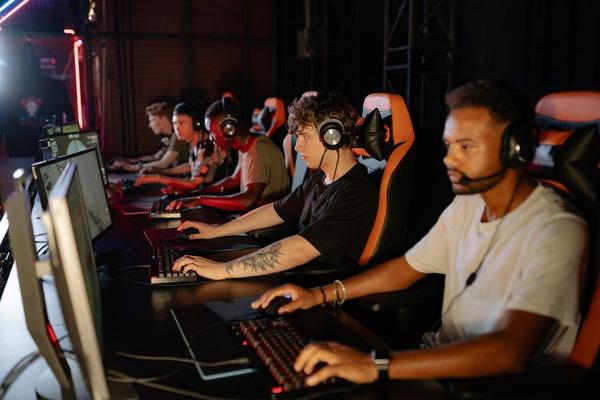
After the last bell, students gather around computers to review a missed play, assign positions, and prepare for a match against another school. That scene is increasingly familiar in American high schools. High school esports turns recreational gaming into an organized activity with teammates, coaches, schedules, rules, and meaningful competition.
But there is no single nationwide model. Some schools operate varsity programs, others run after-school clubs, and participation depends on state associations, district policies, equipment, and league choices. Understanding those differences helps students and parents know what joining a team involves.
How High School Esports Teams Are Organized
High school gaming teams generally represent a school rather than friends playing independently. Students register through an approved program, practice together, and compete under their school’s name. Depending on the district, esports may sit within athletics, student activities, career and technical education, or a teacher-led club.
One school might field a single Rocket League squad, while another supports several games and skill levels. Some programs offer varsity and junior varsity rosters; others emphasize open participation. A school club does not automatically compete in a state-sanctioned championship.
What Coaches and Student Leaders Do
A faculty adviser may handle registration, supervision, parent communication, school technology policies, and match disputes. A coach may review gameplay, organize practice, select lineups, and help students communicate during stressful moments. Coaches do not necessarily need to be expert players.
Students can also manage scheduling, broadcasts, graphics, statistics, or welcoming new members. These roles make scholastic esports more than a competition for the strongest gamers. For students interested in esports careers, running a school broadcast can be an introduction to the industry.
Which Leagues Do U.S. Schools Join?
School esports leagues range from state-affiliated competitions to independent regional organizations. PlayVS operates scholastic leagues and works with the NFHS Network and participating state associations. A school’s particular league determines championship pathways, eligibility rules, and available games.
Local and state-focused organizations also organize matches, sometimes with different divisions, calendars, or in-person finals. NASEF, a nonprofit focused on scholastic esports, provides club resources, educational frameworks, and activities connecting gaming with learning. Its offerings are not identical to every competitive league’s season.
Before registering, schools should confirm the operator, association recognition, costs, approved titles, match times, and eligibility. Fees change: PlayVS announced a return to paid competition for fall 2026, so older claims that all of its leagues are free are no longer reliable.
Popular Games and Competition Formats
Games are selected for competitive structure, age suitability, publisher permissions, and hardware requirements. Not every title offered nationally is permitted in every state.
Team-Based Titles
Rocket League uses three-player teams in its familiar league format, combining fast decisions with coordinated rotations. League of Legends uses five-player teams and rewards strategy, communication, and specialized roles. These games make teamwork visible: talented individuals still struggle without a shared plan.
Fighting, Racing, and Individual Events
Super Smash Bros. Ultimate, Mario Kart 8 Deluxe, chess, and other titles accommodate different roster structures. Some leagues organize head-to-head contests; others combine individual performances into team results. Game-specific rulebooks explain substitutions, scoring, match settings, and result reporting.
Offerings change as publishers update games and leagues revise schedules. Schools should check the current official title list before buying consoles or promising a particular event.
What a School Esports Season Looks Like
Organized seasons typically combine enrollment, preseason practice, scheduled matches, and a postseason for qualifying teams. Standings may depend on wins, tiebreakers, or brackets. Remote competition is common, although some championships take place in person.
For example, PlayVS scheduled seven regular-season matches over eight weeks for fall 2026 high school competition, including a break week, followed by playoffs and December championships. This is one provider’s calendar, not a universal U.S. schedule. State partners and games can have exceptions.
Imagine a school Rocket League team with Thursday matches. On Monday, players review conceded goals; Tuesday brings rotation practice; Wednesday involves scrimmages and headset checks. On match day, the adviser confirms attendance and the captain checks official game settings. Afterward, teammates record the result and identify one improvement.
That routine illustrates the difference between casual play and student esports: performance is supported by preparation, accountability, and reflection rather than unstructured gaming.
How Students Can Join or Start a Team
Students should ask their activities office, athletics department, or technology teacher whether an esports club exists. If so, ask which games have openings, whether tryouts are required, where practices happen, and whether students need equipment at home.
If no program exists, a short interest survey can establish demand. Gather preferred titles, available devices, and practice days. Recruit a staff adviser and present administrators with a realistic plan for supervision, conduct, equipment, network access, accessibility, and league fees.
A sensible first semester might focus on one game and a consistent weekly meeting rather than five teams. Learning how esports tournaments work can help a club choose an operator and decide when it is ready for competition.
Participation, Safety, and Opportunities Beyond Playing
Good programs set expectations for respectful communication, privacy, appropriate game ratings, breaks, and schoolwork. Students should know how to report harassment, while schools should check platform age requirements and district rules. Reliable internet matters, but an expensive custom gaming room is not always necessary.
Esports also exposes students to production, event planning, IT support, design, and leadership. Some graduates pursue college teams, but school participation does not guarantee recruitment or scholarship funding. Students researching college esports scholarships should check institutions’ eligibility and financial-aid information separately.
Frequently Asked Questions
Is high school esports a varsity sport?
It depends on the school and state. Some programs compete through recognized state associations; others are clubs or independent leagues. Varsity may simply describe a school’s top roster.
Do students need to be expert gamers?
Not always. Competitive rosters may hold tryouts, but many clubs welcome newcomers and offer nonplaying roles in production, management, or commentary.
Can matches be played from home?
Some leagues permit remote matches, including home play, but district supervision rules differ. Ask the adviser before assuming home participation is allowed.
Are school esports leagues free?
Some educational programs and tournaments are free; others charge participation or membership fees. Confirm current pricing, including state-specific charges, with the league.
Where High School Esports Is Headed
High school esports works best as a real school activity rather than extra screen time. Teams need supportive adults, clear competition rules, and opportunities for different students to contribute. For families evaluating a program, those qualities matter more than flashy equipment or trophy promises.