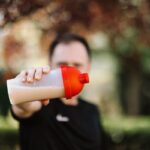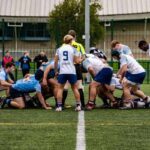
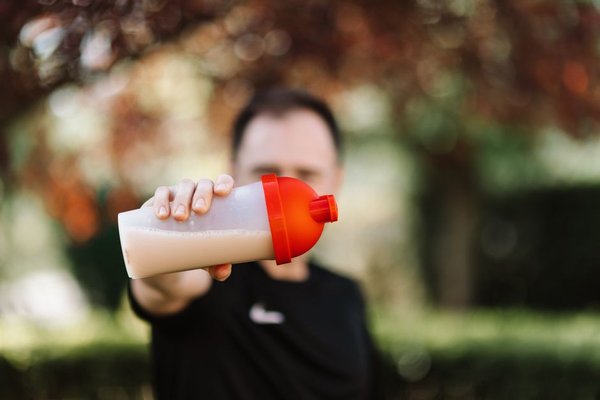
Athletes often finish a workout with one question: how quickly do I need to eat protein? The familiar advice to drink a shake immediately after the final rep makes recovery sound like a race against the clock. The research tells a calmer story.
Protein timing for athletes can matter, particularly when training is frequent or meals are irregular. But getting enough protein across the day usually matters more than hitting a precise minute after exercise. A useful plan combines an appropriate daily target, reasonably spaced meals and protein near training when practical.
Start With the Daily Total, Not the Stopwatch
Exercise challenges muscle tissue, and dietary protein supplies amino acids for repair and adaptation. Timing cannot compensate for consistently eating too little. Nor does perfectly scheduled protein replace progressive training, sufficient energy, carbohydrate and sleep.
The International Society of Sports Nutrition identifies roughly 1.4–2.0 grams of protein per kilogram of body weight per day as a useful range for many healthy, exercising people. Individual athlete protein needs depend on training demands, body size, goals and energy intake. Some athletes, especially during calorie restriction, may need individualized targets.
For a 75-kilogram athlete, 1.6 grams per kilogram works out to 120 grams daily. Reaching that amount regularly is a stronger starting point than worrying about whether a recovery snack arrives 15 or 45 minutes after exercise. A guide to daily protein needs for athletes can help tailor the calculation.
Is There Really a Post-Workout Protein Window?
Resistance exercise increases muscles’ sensitivity to amino acids for hours, not merely for a narrow half-hour window. Protein after workout sessions supports muscle protein synthesis, the process involved in building and repairing muscle proteins. That response does not suddenly disappear if you need to shower or commute first.
A 2025 systematic review directly comparing protein before and after training found no clear difference in lean body mass. However, few studies qualified and the evidence was uncertain. Overall, research does not support the idea that one exact moment determines long-term results.
Post-workout nutrition is still useful. A meal containing about 20–40 grams of high-quality protein is practical for many adults, with body size affecting the serving. If you trained without eating for several hours, have that meal sooner. If you ate a protein-rich lunch shortly before the gym, there is less reason to rush.
Protein Before a Workout Counts Too
A pre-training meal does not stop working when exercise begins. Protein eaten beforehand is digested and absorbed over time, making amino acids available during and after a session. The choice between pre- and post-workout protein is therefore often less important than the wider eating pattern.
If your stomach tolerates it, try protein and carbohydrate one to three hours before training. Greek yogurt and oats, eggs with toast, or tofu with rice are possibilities. For hard running or intense intervals, a smaller meal may feel more comfortable.
Athletes who train first thing in the morning without breakfast face a different situation. Protein afterward can close a long overnight gap. Respond to the time since your last meal, not a universal countdown.
Meal Spacing Makes Protein Easier to Plan
Rather than saving almost all your protein for dinner, distribute it over three or four eating occasions. Sports nutrition guidance often suggests approximately 20–40 grams of quality protein per meal, spaced about three to four hours apart. This can repeatedly stimulate muscle protein synthesis while making daily targets manageable.
Meal spacing is a guideline, not a rule that makes a late lunch disastrous. Distribution varies with body size, age, training and appetite. Protein eaten in a large serving is not automatically wasted; the muscle-building response simply does not increase in direct proportion to every extra gram.
Dairy, eggs, fish, meat and soy provide complete protein. A varied plant-based diet can also meet requirements with thoughtful food choices. High-protein recovery meals are worth exploring before assuming a supplement is necessary.
A Training-Day Example You Can Actually Follow
Picture a 75-kilogram football player with an evening strength session and a daily target of 120 grams. Breakfast provides 30 grams from yogurt, milk and oats. Lunch supplies 30 grams from a chicken or tofu bowl. Training begins at 6 p.m.; dinner afterward provides 35 grams. A later snack adds 25 grams.
Those four eating occasions total roughly 120 grams, without taking a shake into the changing room. If dinner will be delayed for several hours, the player can pack a portable protein snack after training and adjust the later meal. If dinner comes soon, the snack might not be necessary.
This flexible approach solves a real problem: access to food. Planning around classes, travel, shifts and training schedules can accomplish more than chasing an idealized protein clock.
When Timing Deserves Extra Attention
Back-to-Back Training Sessions
When another demanding session follows later the same day, eating soon after the first becomes more useful. Include protein alongside enough carbohydrate and fluids. For endurance athletes, restoring glycogen may be more urgent than fine-tuning protein timing.
Long Gaps Between Meals
If training comes after a long food-free period, protein afterward avoids extending that gap. A sandwich, milk, yogurt or plant-based alternative can bridge the time until a full meal.
Before Bed
Some research finds that around 30–40 grams of casein-rich protein before sleep increases overnight muscle protein synthesis. It is optional, and extra long-term gains from bedtime timing are less certain. Fit it within the daily target rather than adding unwanted calories.
Common Mistakes That Distract From Recovery
One mistake is prioritizing protein after workouts while skipping it at breakfast and lunch. Another is assuming powders are essential: ordinary foods supply the same basic nutrient. Too much focus on protein can crowd out carbohydrate, healthy fats and micronutrients needed for training.
Track your usual intake for a few days. Check the total first, notice meals with little protein, then adjust one serving. Understanding carbohydrate and protein for recovery is especially useful when demanding sessions require both.
Frequently Asked Questions
Do I need protein within 30 minutes of training?
No. Protein after exercise is useful, but the recovery response lasts much longer than 30 minutes. Eat within a convenient period, especially if your previous protein-containing meal was several hours earlier.
Is protein better before or after lifting?
Either can work. Research has not consistently shown that one timing is superior for muscle growth when daily intake is adequate. Choose the option you can repeat.
How much protein should athletes eat per meal?
Around 20–40 grams of quality protein is a common starting range, adjusted for body size and individual needs. Daily intake matters more than identical servings.
Can endurance athletes benefit from protein timing?
Yes, protein supports tissue repair. Sufficient carbohydrate and overall energy intake remain central, especially when another session is approaching.
The Practical Bottom Line
Protein timing is a useful finishing touch, not the foundation of recovery. First eat enough across the day. Then spread protein over manageable meals and place one near training when convenient. Be more deliberate after fasted workouts, long food gaps or closely spaced sessions. Consistent habits matter more than a perfectly timed shake.