
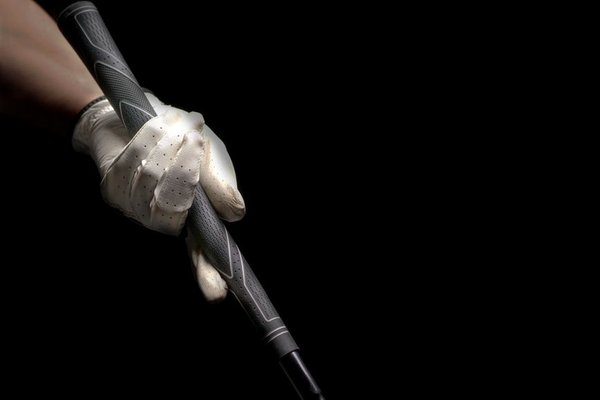
Your hands are the only part of your body in direct contact with the club throughout the swing, so the way you hold it has a major effect on what the clubface does. A beginner can make a decent athletic motion and still struggle with pushes, hooks, slices, or inconsistent contact if the grip keeps returning the face unpredictably. That is why learning a sound golf grip for beginners is worth treating as a setup skill of its own.
The goal is not to squeeze the club as tightly as possible or copy one professional golfer’s hand position. It is to build a repeatable hold that keeps the club secure, lets the wrists move naturally, and gives you a reliable starting point for clubface control.
What a Neutral Golf Grip Should Feel Like
A neutral golf grip places both hands on the club so neither hand is dramatically rotated toward or away from the target. For many beginners, this is a useful baseline because it does not intentionally encourage the face to close or stay open. Exact hand position varies with anatomy and swing style, so think of neutral as a practical range rather than one perfect photograph.
Grip the club mainly through the fingers rather than burying it deep in the palms. The handle should feel secure enough that it will not shift during the swing, but your forearms should not feel rigid.
How to Hold a Golf Club Step by Step
Step 1: Place the Lead Hand First
For a right-handed golfer, the lead hand is the left hand. For a left-handed golfer, reverse the instructions. Let the handle run diagonally across the fingers of the lead hand, then close the fingers around it. Place the heel pad of the hand on top of the grip so the club feels supported.
When you look down at address, many golfers with a neutral position can see roughly two knuckles on the lead hand. The V formed by the thumb and index finger often points somewhere between the chin and trail shoulder. These are useful checkpoints, not rigid laws, because hand shape differs from player to player.
Step 2: Add the Trail Hand
Bring the trail hand to the club from the side rather than reaching underneath it. The palm should sit against the side of the handle, with the lifeline area fitting over the lead thumb. The trail thumb and index finger form another V that should generally point in a similar direction to the lead-hand V.
A common beginner mistake is letting the trail hand rotate too far under the club, which can encourage excessive hand action. Placing it too far over the top can create the opposite problem and make it harder to square the face.
Step 3: Check Grip Pressure
Hold the club firmly enough that it will not slip, but avoid a white-knuckle squeeze. Excess pressure can tighten the hands, wrists, and forearms. A useful test is to waggle the clubhead gently before you swing. If your wrists feel locked, soften your hold slightly while keeping the handle secure.
Overlap, Interlock, or Baseball Grip?
Once both hands are positioned, you need to decide how they connect. There is no universal best choice for every beginner, so comfort and control matter more than copying someone else.
Overlap Grip
With an overlap grip, also called the Vardon grip, the little finger of the trail hand rests over the gap between the index and middle fingers of the lead hand. It creates a connected feel without locking the hands together.
Interlock Grip
With an interlock grip, the trail-hand little finger and lead-hand index finger link together. This can feel secure for golfers with smaller hands or anyone who likes both hands to feel closely connected. Do not force the fingers deeply together if that creates tension.
Baseball or Ten-Finger Grip
In a baseball grip, all ten fingers remain on the club without overlapping or interlocking. Beginners sometimes find this easiest because it feels familiar and gives each hand plenty of contact with the handle. It is a workable option if it helps you control the club comfortably.
A Simple Practice Check Before You Hit Balls
Build your grip, hold the club out in front of you, and look at the clubface. Then rebuild the grip several times from scratch. The goal is to make the same hand placement repeatable without staring at every finger.
Next, hit short wedge shots instead of jumping straight to full driver swings. If the ball repeatedly starts well right or left of your intended line, check your grip before changing your entire swing. A practical routine is five slow grip rehearsals, five half-swings, and then five normal shots. That turns the grip into part of your setup habit.
Once your hands feel consistent, useful related topics are golf stance for beginners, ball position in golf, and basic golf swing fundamentals.
Common Golf Grip Mistakes Beginners Make
Holding the club too much in the palms can reduce wrist freedom and make the club feel harder to control. Squeezing harder after every poor shot is another common mistake; extra pressure often adds tension without fixing face position.
Also watch for hands that work against each other. If the lead hand is rotated strongly one way while the trail hand is rotated the opposite way, the grip can feel unstable. Avoid changing your grip after every miss. Give a sensible neutral position enough practice time to become familiar.
FAQ
How tightly should a beginner hold a golf club?
Use enough pressure to keep the club secure throughout the swing while allowing the wrists and forearms to stay responsive. If your hands or forearms feel rigid before the backswing, you are probably gripping harder than necessary.
Should beginners use an overlap grip or interlock grip?
Either can work well. The overlap grip often feels natural to golfers with larger hands, while the interlock grip can feel secure to golfers with smaller hands, but comfort and repeatability matter more than hand size alone.
Is the baseball grip bad for beginners?
No. A ten-finger or baseball grip can be useful if overlap or interlock styles feel awkward. What matters is that your hands sit in a sound position and the club remains stable without excessive tension.
Can changing my grip help reduce a slice?
Grip can influence clubface control, so an excessively weak or poorly matched grip may contribute to an open face. A slice can also come from swing path, impact location, and other factors, so use the grip as a setup checkpoint rather than assuming it is the only cause.
Build the Grip Before You Build Speed
A good grip will not make every shot perfect, but it gives the rest of the swing a more reliable foundation. Start with both hands in a neutral, comfortable position, choose an overlap, interlock, or ten-finger connection that feels secure, and keep grip pressure controlled. Rehearse the same setup until it becomes familiar. When your hands return to the club consistently, you can spend more practice time on motion, contact, and direction instead of rebuilding the foundation after every swing.