
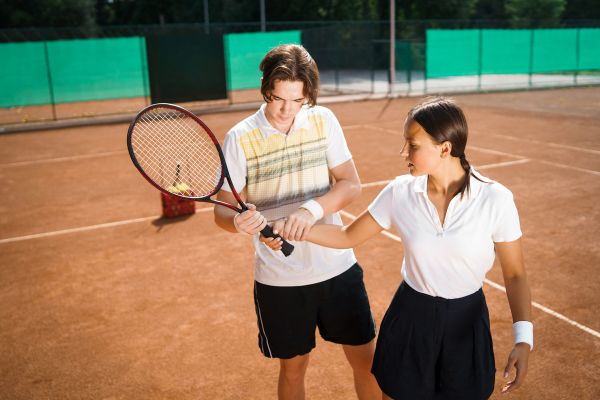
Young athletes rarely remember every drill, score, or tactical instruction from their early sporting years. They do, however, remember the adults who believed in them, listened when they were struggling, and helped them understand that one bad performance did not define their ability.
Learning how to mentor young athletes means looking beyond immediate results. A mentor supports the whole person, not just the player wearing the uniform. That involves building trust, encouraging responsibility, teaching emotional skills, and creating enough space for young people to discover who they want to become.
Understand the Difference Between Coaching and Mentoring
Coaching and mentoring often overlap, but they are not exactly the same. A coach usually focuses on performance, preparation, technique, and teamwork. A mentor takes a broader view.
Mentoring may include conversations about confidence, motivation, school, relationships, pressure, and future goals. The mentor does not need to solve every problem. In many cases, listening carefully is more valuable than offering an instant answer.
A coach might correct an athlete’s footwork during practice. A mentor may later help that athlete understand why making mistakes feels so uncomfortable. Both roles matter, and one adult can perform both, provided the boundaries remain clear.
The aim is not to become a young athlete’s best friend. It is to be a dependable adult who offers perspective, honesty, and encouragement.
Build Trust Through Consistent Behavior
Trust does not appear after one inspiring conversation. It develops gradually through small, repeated actions.
Arrive when you say you will. Keep promises. Apply rules consistently. Pay attention when an athlete speaks instead of checking a phone or preparing the next response. These habits tell young people that their time and thoughts matter.
Confidentiality also plays an important role, though it has limits. Personal conversations should generally be treated with respect and discretion. However, mentors must act when a young person reveals abuse, danger, self-harm, or another serious safety concern. Athletes should understand from the beginning that their privacy will be respected but cannot override their safety.
Consistency is particularly important when performance changes. If an adult becomes warm after a victory and distant after a poor game, the athlete may begin to believe that support must be earned.
Listen Before Offering Advice
Adults often rush toward solutions. A young athlete says they are nervous, and the immediate response is to explain how to relax. They mention conflict with a teammate, and the mentor quickly decides who is right.
Sometimes advice is useful. Sometimes the athlete simply needs enough time to explain what is really happening.
Ask open questions and allow pauses. “What part of the situation has been hardest?” usually reveals more than “Are you upset because you lost?” Avoid steering the conversation toward an answer the athlete has not given.
Listening also helps mentors distinguish between a temporary frustration and a deeper concern. A player who appears unmotivated may be exhausted, anxious, injured, or worried about disappointing a parent. Without listening, it is easy to misread the behavior.
See the Person Beyond the Performance
Sport can become a large part of a young person’s identity. Talented athletes may receive so much attention for their performance that they begin to wonder whether people value anything else about them.
Mentors can provide balance by showing interest in school, hobbies, family life, friendships, and personal ambitions. A simple conversation about music or an upcoming exam can remind the athlete that they are more than their statistics.
This broader perspective becomes especially valuable during injury, selection disappointment, or declining form. When sport is the athlete’s entire identity, setbacks can feel like personal collapse. A more balanced sense of self makes those difficult periods easier to navigate.
Celebrating kindness, persistence, honesty, and leadership also communicates that character matters alongside ability.
Set Goals That Encourage Real Development
Young athletes often dream in large terms. They may want to earn a scholarship, join an elite team, or compete professionally. A good mentor does not mock those ambitions, but neither do they make unrealistic promises.
Instead, help the athlete connect long-term hopes with controllable daily actions. Improvement may involve attending practice consistently, developing a weaker skill, improving sleep, communicating with teammates, or handling mistakes more calmly.
Goals should belong to the athlete. Adults can guide the process, but forcing a young person toward an ambition they do not truly share usually creates resentment or burnout.
Review goals periodically because interests and circumstances change. Adjusting a goal is not always quitting. Sometimes it reflects greater maturity and self-awareness.
Teach Athletes How to Handle Mistakes
Mistakes are unavoidable in sport, yet many young athletes interpret them as evidence that they lack talent. A mentor can help replace that fear with curiosity.
After a difficult performance, avoid beginning with criticism. Give the athlete time to settle, then ask what they noticed. They may already understand the problem and need help finding a constructive response.
Separate behavior from identity. “That decision did not work” is very different from “You are a poor decision-maker.” One points toward improvement; the other sounds permanent.
Mentors can also share appropriate examples of their own mistakes. Young people benefit from knowing that capable adults have experienced failure, embarrassment, and uncertainty. The important part is not avoiding every error but learning how to respond.
Praise Effort With Honesty
Constant praise can sound supportive, but young athletes quickly notice when it is not genuine. Telling someone they played brilliantly after an obviously difficult performance may weaken trust.
Honest encouragement is more useful. Recognize specific behaviors such as persistence, communication, concentration, or willingness to attempt something unfamiliar. This helps athletes understand what they can repeat.
Effort should not be praised automatically if it was careless or inconsistent. Mentoring includes respectful accountability. An athlete can be supported while still being told that their preparation, attitude, or conduct needs to improve.
The tone matters. Honest feedback should guide rather than humiliate. Private conversations are usually better for sensitive corrections, especially when the athlete is already embarrassed.
Encourage Independence and Personal Responsibility
Mentoring is not about making every decision for a young athlete. The long-term goal is to help them think, communicate, and act independently.
Invite athletes to reflect on their choices. Ask how they would prepare differently, approach a teammate, or respond to a setback. Resist the urge to provide the answer too quickly.
Responsibility also includes practical habits. Young athletes can learn to prepare equipment, manage time, communicate absences, and speak respectfully with coaches. Adults may need to provide reminders at first, but gradually stepping back allows confidence to grow.
Natural consequences can be valuable when they are safe and reasonable. Constantly rescuing athletes from forgotten equipment or poor preparation may prevent them from learning responsibility.
Model the Values You Expect
Young people notice contradictions. A mentor who lectures about respect but insults officials sends a stronger message through behavior than through words.
Remain composed during competition, treat opponents fairly, and acknowledge mistakes without making excuses. Speak respectfully about other coaches and athletes, particularly when young people are listening.
Healthy attitudes toward winning and losing must also be demonstrated. It is possible to care deeply about competition without behaving as though defeat is a disaster. Athletes learn emotional control partly by watching how trusted adults respond under pressure.
Mentors should also model balance. Glorifying exhaustion, playing through serious pain, or sacrificing every other part of life can encourage unhealthy ideas about commitment.
Respect Boundaries and Safeguarding Responsibilities
A successful mentoring relationship requires clear professional boundaries. Communication should follow the safeguarding policies of the team, school, or sporting organization. Parents or guardians should understand the mentor’s role and how contact will occur.
Meetings should take place in appropriate, observable environments. Digital communication should remain transparent and related to legitimate mentoring needs. Physical contact, transportation, photographs, and social media interactions must follow established rules.
These precautions do not make the relationship less caring. They protect both the athlete and mentor while creating a trustworthy structure.
Mentors should also recognize the limits of their expertise. Serious mental health concerns, eating disorders, abuse, and significant injuries require support from qualified professionals. Referring an athlete for appropriate help is responsible mentoring, not a failure.
Support a Healthy Relationship With Competition
Competition teaches preparation, courage, and resilience, but excessive pressure can turn sport into a source of constant anxiety. Mentors can help athletes keep results in perspective.
Before an event, focus attention on controllable actions rather than predictions. Afterward, discuss the experience without allowing the final score to dominate everything. Improvement can occur during a loss, just as poor habits can be hidden by a victory.
Watch for signs of burnout, including persistent exhaustion, irritability, dread before practice, declining performance, or loss of enjoyment. Rest may sometimes be more productive than another training session.
Sport should challenge young athletes, but it should not consume their entire emotional world.
Mentoring With Patience and Perspective
Understanding how to mentor young athletes begins with recognizing that development is rarely neat or predictable. Confidence rises and falls. Goals change. Progress may appear quickly and then pause for months.
A thoughtful mentor remains present through those changes. They listen, set honest expectations, protect appropriate boundaries, and help athletes take increasing responsibility for their choices. Technical improvement may be part of the journey, but the deeper purpose is to develop resilient, self-aware, and respectful young people.
Years later, an athlete may forget the details of a particular season. What can remain is the memory of an adult who treated them fairly, saw their potential, and reminded them that their worth was never limited to the scoreboard.